Community solar brings more people into solar by sharing a project. Many people ask who does what. For a fuller primer, read our Community Solar 101 guide, then come back to see how the pieces fit.
How programs get created
Community solar programs start with state law. Lawmakers create the program. A state regulator then oversees it. The regulator sets rules and checks that companies and utilities follow them.
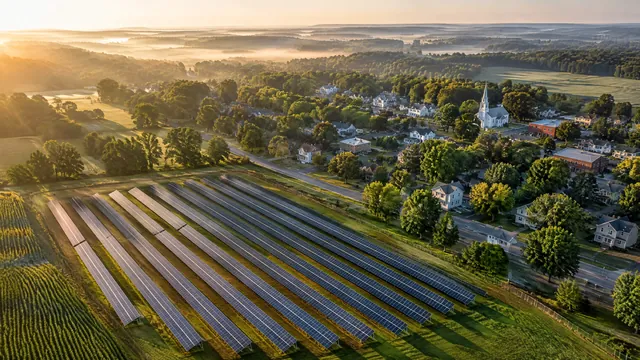
The projects connect to the utility grid. The power goes into the same wires that already serve homes and businesses. You do not need panels on your roof to take part. The project is off-site.
Your utility’s role
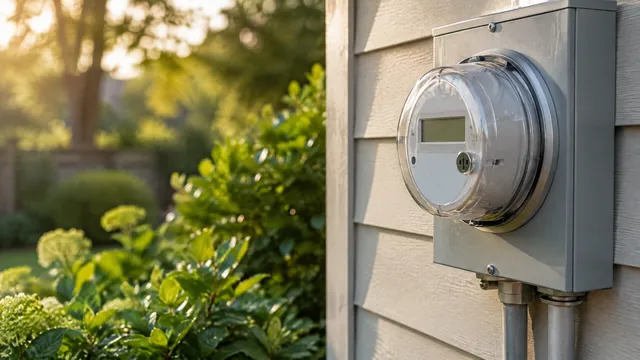
Your utility delivers power through the grid. It also applies community solar credits to eligible customer accounts.
As a subscriber, you usually receive a credit on your electric bill for your share of the project’s production, even though the panels are off-site.
Billing can happen in two common ways:
- One bill: Your utility shows the community solar credit and also the subscription charge on the same bill. This is sometimes called net crediting or consolidated billing.
- Two bills: You get a utility bill that shows the credit. You also get a separate subscription bill from the solar company.
Which setup you get depends on the utility and the project. You keep your utility account either way. The credit shows up based on the project’s output.
What developers do
Developers plan and build the solar project. They handle the site work and construction. They work to connect the project to the utility grid so it can produce and send power into those wires.
These projects serve many subscribers at once. The project’s meter tracks production. That production is used to calculate bill credits for eligible subscribers.
What subscriber organizations do
The subscriber organization manages subscriptions for the project. When you enroll, your subscription agreement is with the project’s subscriber organization or the project company—not with the utility and not with the enrollment partner.
The subscriber organization:
- Enrolls and assigns subscribers to the project.
- Works with the utility so bill credits appear on eligible accounts.
- Handles subscription billing if your project uses the two-bill setup.
- Communicates about your subscription and any account changes.
If your project uses one-bill (net crediting or consolidated billing), the subscriber organization still manages your subscription behind the scenes. It coordinates with the utility so the credit and subscription charge show up correctly.
Enrollment partners and CSR
Enrollment partners help households and small businesses understand community solar and sign up with an available project. They explain the program in plain words and help you complete the steps.
Community Solar Representatives LLC (CSR) is an independent enrollment company. CSR is not a utility, is not affiliated with any utility, and does not own solar projects. When you enroll through CSR, your subscription agreement is with the project’s subscriber organization or the project company.
Our role is to explain how the program works in your area, review project options, and help you complete the enrollment process. If you want to see if you may qualify for an available project, you can check your eligibility online. For a deeper background, keep our Community Solar 101 guide handy.
How to check a representative
It is smart to verify who you are talking with before you share personal details or sign anything. Here are quick steps:
- Ask for the rep’s name, ID, and the company they work for.
- No one enrolling you in community solar should say they are from your utility.
- Never pay anyone to “hold” a spot or a discount.
- Read your agreement before you sign.
- To confirm a CSR representative, call 612-760-6788 and we will check our records.
When you know who does what, your bills and your paperwork make more sense. State law creates the program, the regulator oversees it, the developer builds it, the subscriber organization manages your subscription, and the utility applies the credits. Enrollment partners like CSR help you understand your options and complete enrollment. If you still have questions, our Community Solar 101 guide is a good next read.