National Clean Energy Week ran September 14–18, 2026. It sparked many questions about local solar and what it means for everyday people. Here is a clear look at how shared projects work and what shows on your bill.
What community solar means in simple terms
The U.S. Department of Energy defines community solar as a project or purchasing program in a region where benefits flow to many customers. This can include individuals, small businesses, nonprofits, and other groups. One project can serve many people in the same area.
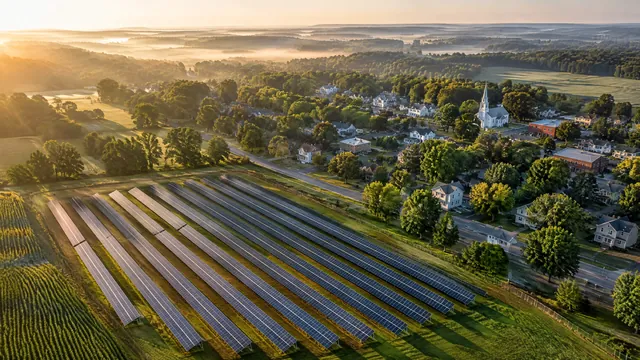
With community solar, you do not install anything at home. No panels. No roof work. No equipment. Your utility keeps delivering electricity on the same wires you use now. The project’s panels sit off-site.
Want a deeper primer? See our pinned guide: Community Solar 101.
Accurate words you can use
Words should be clear and accurate. Two plain statements you can use are:
- “I subscribe to a local solar project.”
- “My subscription supports local solar energy.”
Avoid claiming your home is powered by the project or that you “use solar power from the project.” In many projects, the project owner may keep the renewable energy certificates (RECs). That is a legal right tied to the environmental attributes of the project. If you do not receive the RECs, you should not claim to use the project’s solar electricity. You can still say your subscription supports local solar energy.
How bill credits usually work
Community solar subscribers usually receive a credit on their electric bill for their share of the project’s production. This is true even though the panels are off-site. The credits cover part of your bill.
Here is the key idea about cost and value:
- You pay for your subscription.
- You receive bill credits worth a certain amount.
- Subscribers typically pay less for the subscription than the credits are worth.
- Any discount applies to the credits, not your whole bill.
Savings depend on the state, the utility, and the project. Results vary. Homeowners, renters, and small businesses who pay their own electric bill can often subscribe when a project serves their utility area.
What to expect on your end:
- Your utility will keep delivering electricity the same way it does now.
- You should see solar credits on your electric bill based on your share of the project’s production.
- Your panels are not at your home or business. They are part of the shared, off-site project.
If you want more detail on how credits appear, see the billing examples in Community Solar 101.
Income-qualified options and how to show eligibility
Some states and projects focus on access for income-qualified households. In some cases, subscriptions may be set aside for income-qualified customers. Exact rules depend on the state, the utility, and the project.
There are two common ways a household shows it is income-qualified:
Program participation: Someone in the household gets help from a qualifying program. You show a letter or notice from that program. It is usually dated within the last 12 months.
Income limit: Your total household income is under a set limit for your county and household size. Programs often use a limit such as 80% of area median income or 200% of the federal poverty level. Which number applies depends on the state and the project.
Not sure which option fits you? Use our short form to check your eligibility. We will outline which documents to gather and which paths may apply in your area.
What “local” means after Clean Energy Week
A community solar project serves a defined area. Many customers in that area share the benefits of one project. This helps when a roof is shaded, you rent, or your building is not a good fit for panels. Your subscription supports local solar energy and helps spread the benefits among households, small businesses, and nonprofits nearby.
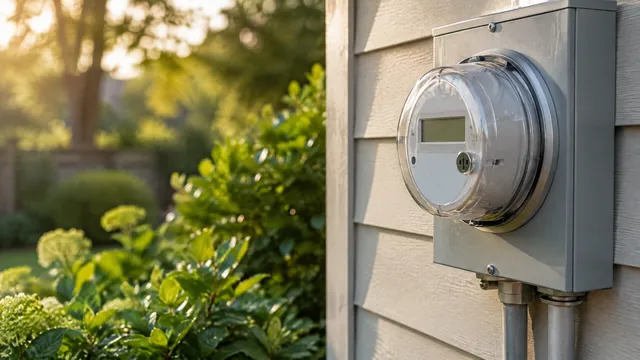
Community solar is practical because it is off-site. The project is built in a place that can host panels at scale. You keep the same utility service and the same meter at your home or business. The project sends bill credits to your utility account based on your share.
National Clean Energy Week drew attention to local solutions. Now is a good time to understand how shared projects work where you live. If you have questions about eligibility, documents, or what shows on your bill, our resources can help you find your next step.
For a plain-language walkthrough from start to finish, read our guide: Community Solar 101. It explains key terms and shows how a subscription supports local solar energy without installing panels at home.