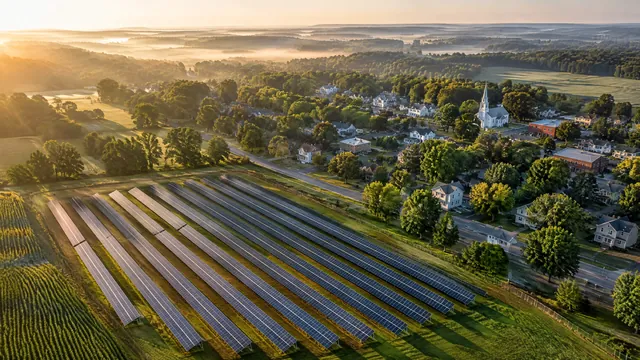
Community solar lets you get credit for power from a solar farm near you, without putting anything on your home. You subscribe to a share of a local solar project. Each month, your share of the electricity it produces becomes a credit on your electric bill. You pay less for your subscription than your credits are worth, and the difference is your savings.
How it works
- The solar farm makes electricity. A solar project in your utility's area sends its power into the grid, the same grid that already serves your home.
- Your share becomes bill credits. Your utility turns your share of that production into a dollar credit on your account. Your state's program rules set how credits are valued.
- You pay less than your credits are worth. Your subscription costs less than the credits you receive, so your overall electricity cost goes down.
What stays the same
- Your utility. You keep the electric company you have now.
- Your power. The same wires deliver your electricity. If the sun isn't shining, your lights stay on.
- Your home. Nothing is installed. No panels, no roof work, and no equipment.
What changes
- You'll see community solar credits on your electric account.
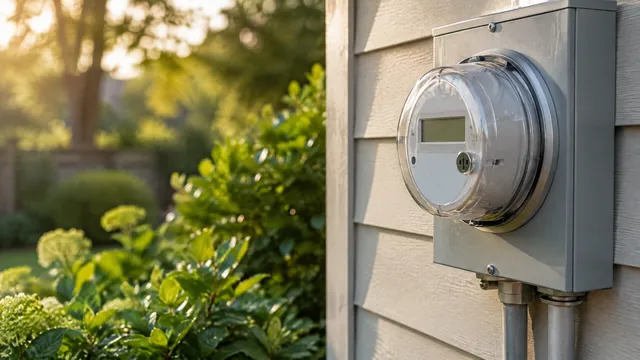
- Depending on your utility and project, you'll get one bill that shows your credit and your subscription together, or two bills: your utility bill with the credit, plus a separate bill from the solar company. Our guide Your Electric Bill, Explained shows both.
Who can join
- Renters and homeowners. You don't need to own your home or have a sunny roof. You need an electric account in your name with a participating utility.
- Businesses and organizations, in programs that include them.
- Income-qualified households. Many states set aside part of each project for households with lower incomes, and some require a bigger discount for them. See Income-Qualified? How Your Household Can Save More.
Community solar is available where state law has created a program. We enroll customers in Minnesota, Maryland, Delaware, Illinois, Maine, Rhode Island, and New York. Each state page lists the utilities we serve.
How much will I save?
Your savings depend on your state, your utility, and the project you join. Your credits cover part of your electric bill, so your discount applies to the value of your credits, not your whole bill. Before you sign anything, we'll walk you through how savings work for an available project.
How to get started
- Check your eligibility online. It takes about five minutes, and there's nothing to upload.
- Talk with a real person. A CSR representative calls you, usually within one business day, to confirm your utility and answer your questions.
- Choose your project. We match you with a project that has room, and you review your subscription agreement before you sign.
- Watch for credits. Credits usually start within one to two billing cycles after your subscription is active.
Quick answers
Is community solar legitimate? Yes. Community solar programs are created by state law and overseen by state regulators, and the projects connect to your utility's grid. A legitimate representative will tell you who they work for and will show ID.
Will my power ever go out because of this? No. Your utility keeps delivering your electricity, day and night, sunny or cloudy.
Why do credits change from month to month? Solar farms produce more power in sunny summer months and less in winter, so your credits follow the seasons.