Many people want to talk about clean energy the right way. Community solar helps more people support local solar projects. Still, words matter. This guide keeps it honest and simple.
What community solar really is
Community solar lets many people share benefits from one solar project nearby. The U.S. Department of Energy says it is any solar project or buying program, within a geographic area, where benefits flow to multiple customers such as individuals, businesses, nonprofits, and other groups. It is not rooftop solar at your home.
For a plain-language primer, see our pinned guide: Community Solar 101.
RECs: the claim follows the certificate
Every megawatt-hour of renewable electricity that reaches the grid creates a renewable energy certificate, or REC. The U.S. EPA explains that the REC owner has the exclusive right to make personal “use” claims about that renewable electricity. If you do not own the REC, you should avoid personal “use” or “powered by” claims tied to that specific generation.
In many community solar projects, the project owner may keep the RECs. In other cases, RECs are sold to someone else. That is why REC ownership controls who can make personal “use” claims.
What the FTC Green Guides mean
The FTC Green Guides set truth-in-advertising standards for environmental claims. The Guides say that when a marketer sells the RECs from its renewable generation, it would be deceptive for that marketer to also present itself as the user of that same renewable generation. In short, you cannot sell the proof and still claim the use.
This matters for community solar messaging. Your support is real. But the right to make personal “use” claims stays with whoever owns the RECs.
What you can accurately say as a subscriber
Here are clear, accurate statements:
- I subscribe to a local solar project.
- My subscription supports local solar energy.
- I receive solar credits on my utility bill.
- Credits cover part of my bill. I pay my utility for the rest.
- I pay less for the subscription than the credits are worth.
- Any discount applies to the credits, not my whole bill.
- Savings depend on my state, utility, and project.
- The utility keeps delivering electricity on the same wires.
- Nothing is installed at my home or business.
Want to see if you can join a project in your area? You can check your eligibility.
Truth vs. hype: a quick list
Truth you can share:
- You subscribe to a project in your region, and your subscription supports local solar energy.
- Your utility bill shows solar credits from the project.
- The credit value helps offset part of your bill, and you pay the project less than those credits are worth.
- The grid and your utility service stay the same.
Hype to skip, unless you own the RECs:
- Personal statements that you “use” or are “powered by” the project’s renewable electricity.
- Claims that your home or business is off the grid because of your subscription.
- Claims that the project alone meets all your electricity needs.
If you want examples of how credits look on bills, see diagrams in Community Solar 101.
Credits, savings, and what stays the same
Community solar does not replace your utility. The project sends electricity to the grid. Your utility applies credits to your bill based on your subscription share. You pay the project for your subscription and pay the utility for any remaining charges.
Here is the key idea on savings:
- You pay less for the subscription than the solar credits are worth.
- Credits cover part of your bill, so any discount applies to the credits, not the whole bill.
- Actual savings vary by state, utility, and project.
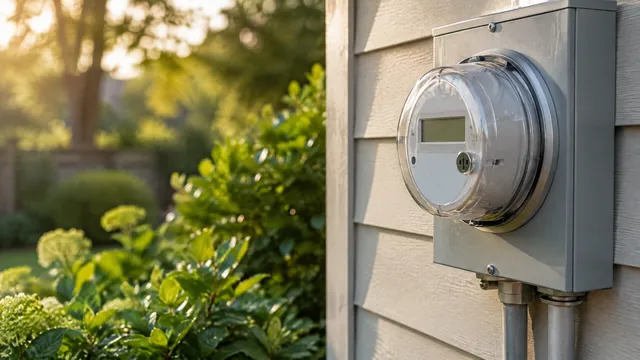
At your home or business, nothing changes physically. No panels are installed. No roof work. The same wires and meters stay in place. Your lights and equipment work as before.
Clear words build trust. When you talk about community solar, focus on your subscription, your support for local solar energy, and the credits on your bill. Leave personal “use” claims to the REC owner, and you will keep your message both accurate and strong.