Many people hear mixed messages about community solar. Some are true. Many are not. Here are eight common myths, and what really happens when you subscribe.
Who can join and what you need
Myth: You must own your home
You do not need to own your home. Renters can join community solar. To subscribe, you need an electric account in your own name with a participating utility. If you want a full overview of how it works, see our Community Solar 101 guide.
Myth: You need a sunny roof
You do not need a roof at all. With community solar, the panels are offsite. Nothing goes on your home. The utility keeps delivering electricity on the same wires. Your subscription supports local solar energy, and the credits show up on your electric bill.
Your utility and your home setup
Myth: You have to switch utilities
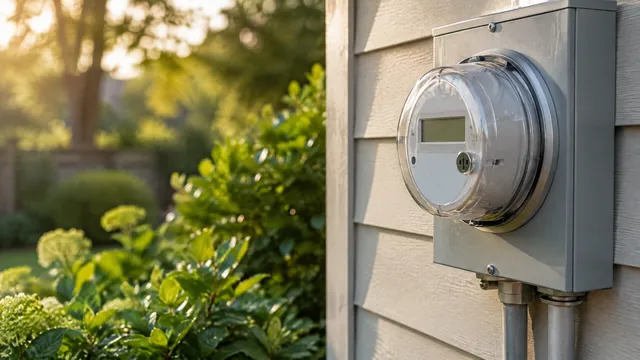
You keep your same utility. Community solar projects connect to the utility grid. These programs are created by state law and overseen by state regulators. Your utility still maintains the lines and delivers power to your home or business. If you want to see where credits appear, read Your Electric Bill, Explained.
Myth: Panels get installed at your home
Nothing is installed at your home for community solar. No panels, no roof work, no equipment. The project is elsewhere in your utility’s service area. You subscribe to a share of that project, and you receive bill credits for the energy it produces.
Weather and your monthly credits
Myth: The power goes out when it is cloudy
Cloudy weather does not make your lights go out. Your utility still delivers electricity through the grid. On cloudy days, solar output can be lower, but your home’s power comes from the grid the whole time.
Myth: Credits are the same every month
Credits go up and down through the year. Solar output is highest in the summer months and lowest in the winter months, following the seasonal pattern in daylight. Community solar credits follow the same pattern. That is why your credits can be larger in July and smaller in January. Here is how costs and savings work: subscribers pay less for the subscription than the solar credits are worth. Credits cover part of the bill, so any discount applies to the credits, not the whole bill. Savings depend on the state, utility, and project. For a walkthrough of how credits show up, see Your Electric Bill, Explained.
Costs, eligibility, and staying safe
Myth: It is only for wealthy households
Community solar is not only for higher-income households. Some projects include options for income-qualified households. There are two common ways to show income qualification:
- Someone in the household gets help from a qualifying program. You show this with a letter or notice from that program, usually dated within the last 12 months.
- Household income is under a limit for your county and household size. Limits often use 80% of area median income or 200% of the federal poverty level.
Which programs and limits count depends on the state and project. If you think you may qualify, our Community Solar 101 guide explains what to gather and what to expect during enrollment.
Myth: It is a scam
Community solar programs are set up by state law and overseen by state regulators. Projects connect to the utility grid, and the utility delivers your electricity like before. Still, it is smart to verify any rep who contacts you. Here is how to check:
- Ask for their name, ID, and the company they work for.
- No one enrolling you in community solar should say they are from your utility.
- Never pay anyone to “hold” a spot or a discount.
- Read your agreement before you sign.
- You can call CSR at 612-760-6788 to check that a rep works for CSR.
Community solar can be simple once you know the basics. Keep this list handy, review your bill credits during the year, and take your time with any agreement. If something feels off, ask questions and verify the details before you enroll.