Many apartment and condo residents want solar but cannot use a roof. Community solar offers another way. You can support local solar energy without any equipment at home.
Is anything installed at my building?
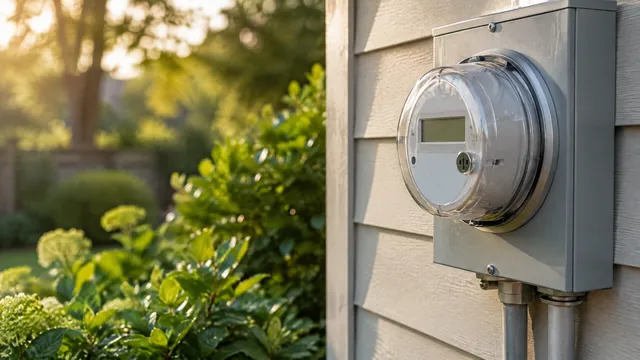
No. With community solar, nothing is installed at your home. No panels, no roof work, no equipment. Your utility still delivers electricity on the same wires.
Because nothing goes on your building, most rules about panels, roof work, or exterior changes do not apply. Your lease or HOA rules about construction usually are not involved.
Can renters and condo owners join?
Yes, renters and condo owners can join if you have an electric account in your own name with a participating utility. That is the key step. The community solar project and your electric account also generally must be in the same utility territory.
If you are new to this topic, start with our plain guide. Read our pinned overview, Community Solar 101.
What if utilities are included in my rent?
If your rent includes electricity, you may not have your own electric account. In that case, you likely cannot subscribe because the account needs to be in your name. If you do receive a monthly electric bill in your name, you can usually apply.
Not sure how your building handles utilities? Look at a recent electric bill. If it shows your name and service address, that helps. If you do not have a bill, ask your property manager who holds the electric account.
How do billing and credits work?
Community solar uses bill credits. Here is what that means:
- Credits from the solar project reduce part of your utility bill.
- You pay for a subscription, but you pay less for the subscription than the credits are worth. Any discount applies to the credits, not your whole bill. Savings depend on your state, utility, and project.
- Credits usually start within one to two billing cycles after your subscription becomes active. Timing depends on the utility and the project.
- Billing can work in two ways, depending on your utility and project:
- One bill: your utility shows the solar credit and the subscription charge together. This is sometimes called net crediting or consolidated billing.
- Two bills: you get a utility bill with the credit and a separate subscription bill from the solar company.
Your lights, appliances, and routines do not change. Your utility continues service the same way.
Do building rules affect community solar?
Most building rules about equipment do not apply, because nothing is installed. There is no landlord approval for roof work or drilling. Your apartment or condo does not need any site visit.
You still follow your lease or HOA for normal living. Community solar does not change your rent, your meter location, or your building’s maintenance.
What if I move?
Community solar is tied to your electric account. Your account and the community solar project generally must be in the same utility territory. If you move within the same utility territory and open a new account in your name, options may be available. If you move to a different territory or close your account, your options will be different.
Tell us your plans before you move so we can review what may fit your new address and utility. That way your credits and billing can be handled smoothly.
How do I know if I am eligible?
You can check two simple things:
- Do you have an electric account in your name with a participating utility?
- Is your service address in the same utility territory as an available project?
If you are unsure, use our quick tool to check your eligibility. It takes a few minutes. For a deeper overview before you start, read the pinned guide, Community Solar 101.
Will anything change at my home?
Your subscription supports local solar energy. Your utility still delivers electricity on the same wires as before. Your day-to-day service does not change.
Community solar can fit apartment and condo life because it asks so little of your building. Know whose name is on the electric account, understand how credits and billing work, and think ahead if you plan to move. These steps help you get a smooth start.